
Startseite » Products » Insoles
Insoles – Relief for Feet, Knees, and Back
Insoles relieve pressure on the feet, stabilize posture, and can reduce pain in the feet, knees, and back.
Orthopedic insoles from Orthorama are individually customized and support the foot exactly where it is needed.
Orthopedic Insoles: Get expert advice at our store in Baar.
Orthorama manufactures custom-made orthopedic insoles and individually adapts them to your foot. This allows us to precisely identify the cause of your discomfort and provide long-term relief to your musculoskeletal system.
Depending on your needs, orthopedic insoles can provide support, cushioning, or correction. They help with foot misalignments such as flat feet, splay feet, or overpronation, and are also used for knee, hip, or back pain as well as muscular imbalances.
Thanks to their precise fit, insoles improve posture and reduce improper strain in everyday life, at work, or during sports. Many complaints do not originate directly in the foot but are caused by unfavorable load patterns that affect the entire body.
Custom-made insoles individually tailored to you
Custom-made insoles take into account your foot shape, posture, and gait pattern. After a thorough analysis, the insoles are crafted to fit perfectly into your shoes and to be comfortable for everyday wear.
Individual insoles are particularly suitable for chronic complaints, specific professional requirements, or when standard insoles are not sufficient. The goal is always long-term relief and stabilization.
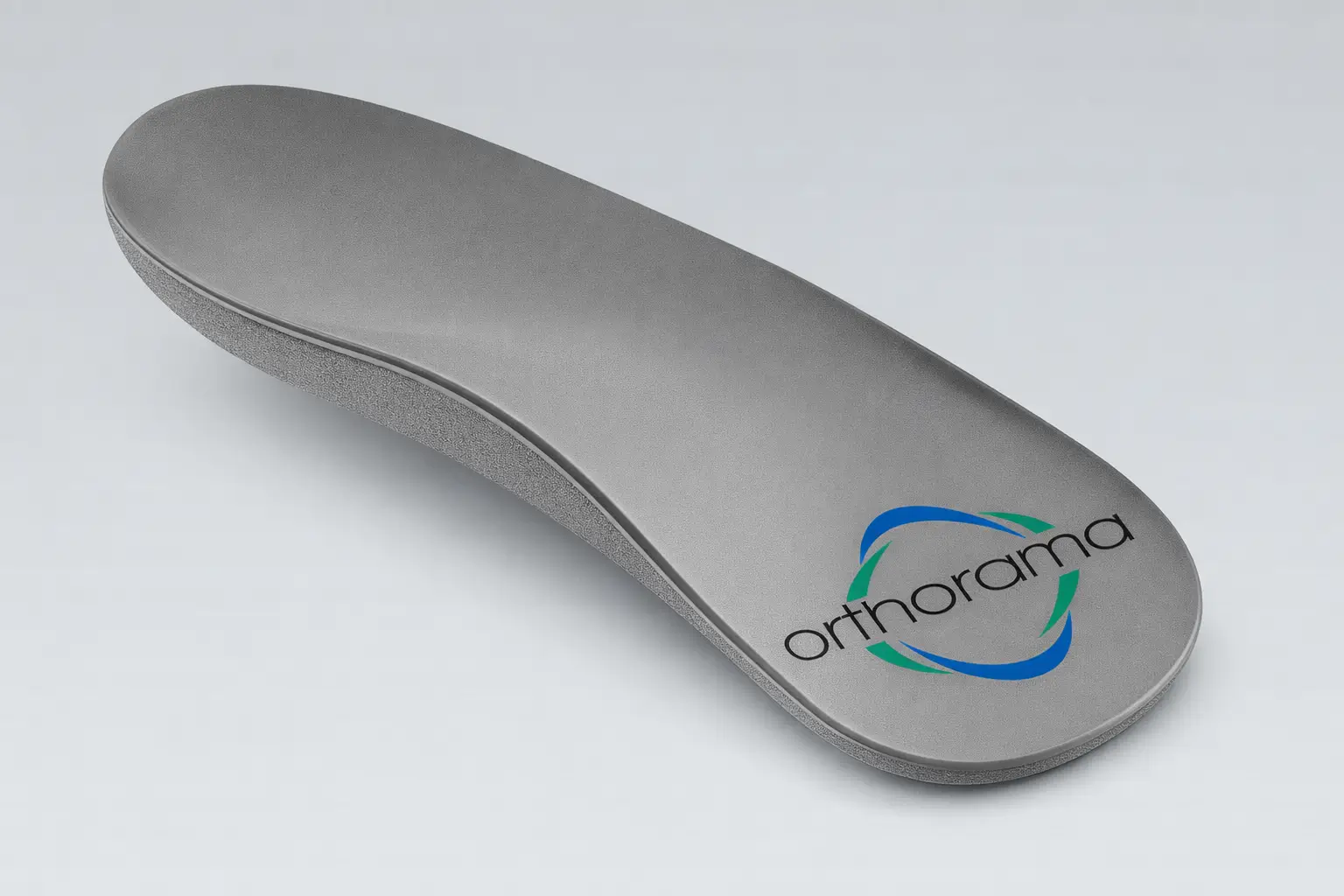
Short insoles
Short insoles are ideal for shoes with limited space while still providing targeted support for the foot. They are often worn in everyday shoes, lace-up shoes, or slim-fit models, offering noticeable relief in the forefoot and midfoot areas.
These insoles improve pressure distribution inside the shoe and enhance comfort during daily activities. Short insoles are especially suitable for people who want subtle support without altering the fit of their shoes.
Everyday insoles based on a plaster cast model
Everyday insoles based on a plaster cast model are individually adapted to the shape of your foot and provide stable support throughout the day. They are particularly suitable for people who spend long hours standing or walking at work and want lasting relief for their feet.
Thanks to their precise fit, these insoles help reduce improper strain and have a positive effect on the knees, hips, and back. Everyday insoles offer a balanced combination of stability, comfort, and durability.
Sensorimotor insoles for targeted muscle activation
Sensorimotor insoles do not only provide support but also activate the muscles. Specifically placed pads stimulate muscle groups and engage the nervous system. As a result, posture and movement coordination improve in a sustainable way.
This type of insole is particularly suitable for muscular imbalances, neurological conditions, or chronic improper strain. Sensorimotor insoles are also frequently used for children and physically active individuals.
Sports insoles for improved performance and reduced discomfort
Sports insoles support the foot during dynamic movements and help prevent overuse injuries. They improve power transfer, reduce improper strain, and increase comfort inside athletic shoes.
Orthopedic sports insoles are suitable for running shoes, football boots, hiking shoes, or indoor sports footwear, among others. They are individually tailored to the type of sport, level of activity, and shoe model, contributing to more efficient movement.
Slim insoles
Slim insoles are specially designed for elegant shoes and styles with limited space. They provide discreet support without adding bulk and can easily be worn in business shoes or narrow everyday footwear.
These thin insoles improve foot guidance and overall comfort, even when worn for extended periods. Slim insoles are ideal for individuals who require subtle orthopedic support.
Diabetic insoles
Diabetic insoles have been specially developed for sensitive feet. They reduce pressure points, protect against friction, and promote even weight distribution across the sole of the foot.
These insoles are used for diabetic foot conditions as well as for polyneuropathy or sensitive skin. The materials are soft, durable, and designed for maximum comfort.
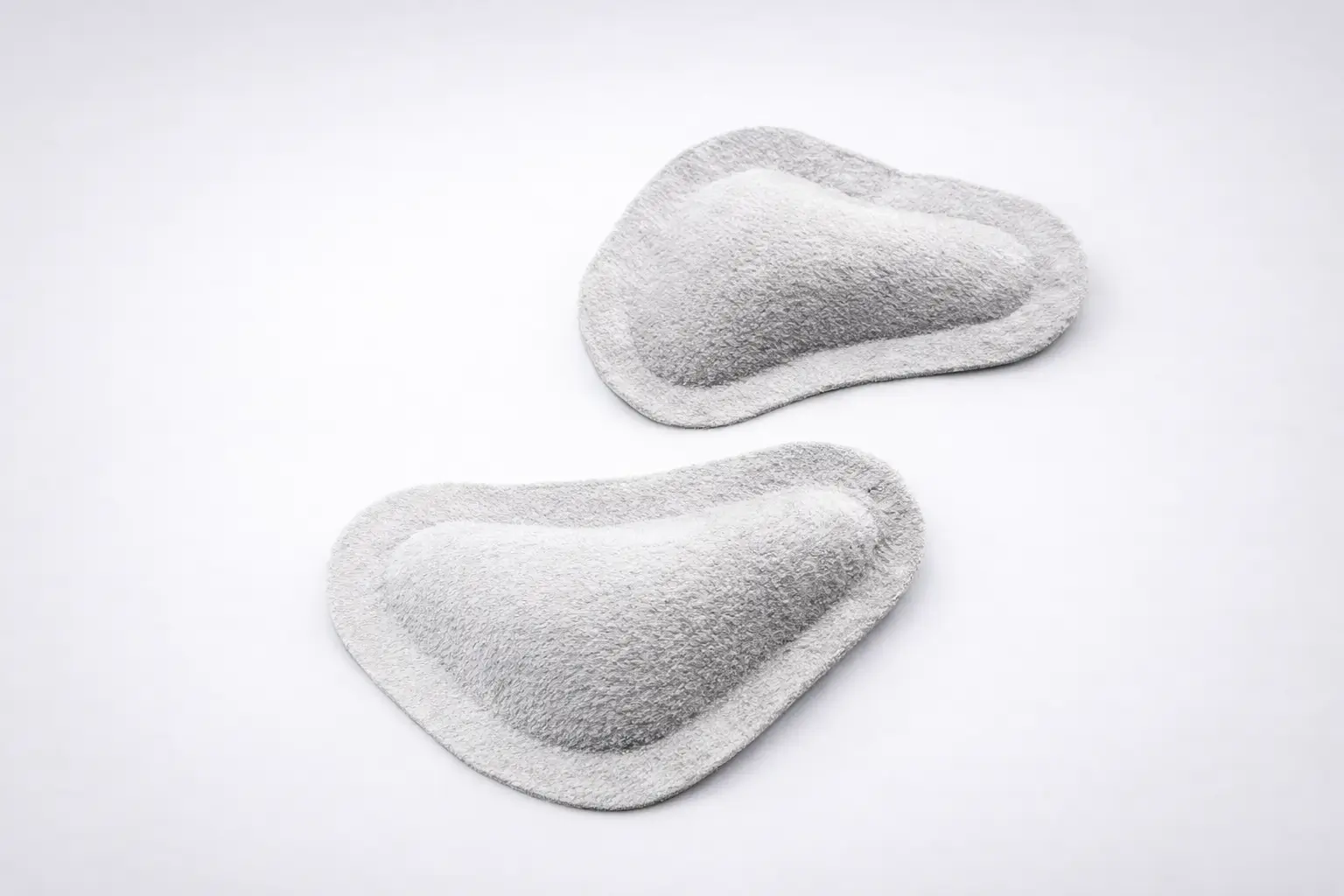
Self-adhesive pads
Self-adhesive pads are used for targeted pressure relief in the forefoot and midfoot areas. They are often applied in cases of splayfoot discomfort or localized overuse and can be flexibly positioned inside the shoe.
Thanks to their easy application, the pads can be individually placed and removed if necessary. They are suitable both as a supplement to insoles and for short-term relief of foot discomfort.
Heel cushions
Heel cushions provide targeted cushioning in the heel area and reduce pressure and impact stress while walking or standing. They are often used for heel pain or sensitive heels.
These cushions improve comfort in everyday life and during sports and can be worn in various types of shoes. Heel cushions are a simple and effective solution for relieving pressure on the heel.
Expert tip
Is your insole more than two years old? Have it checked by us. Your posture will thank you.
Everything you need to know about your insoles
Do you have any further questions? Our team will be happy to advise you personally at one of our locations.
How long do orthopedic insoles last?
As a rule, insoles last about 1 to 2 years under normal daily use. Since the material wears down over time and the foot can change, we recommend a check-up every 12 to 24 months.
Does health insurance cover the costs?
Yes, with a medical prescription, most health insurance providers (supplementary insurance) or disability insurance (IV) cover a large portion of the costs. We are happy to advise you on the exact billing procedures.
Do I need time to get used to new insoles?
Yes, the foot often requires an adjustment period of about 1–2 weeks. At first, wear the insoles for a few hours at a time and gradually increase the duration. If pressure points persist, please visit us for a fine adjustment.
Do the insoles fit in all of my shoes?
There are different types of insoles designed for various kinds of shoes (sports, business, everyday wear). Ideally, please bring the shoes you plan to wear the insoles in most often to your consultation appointment.
How should I best care for my insoles?
Air out the insoles outside of the shoes after wearing them. They can be wiped clean with a damp cloth and mild soap. Avoid direct heat (such as radiators), as this may cause the materials to lose their shape.
Who can benefit from insoles?
Insoles are suitable, among other things, for:
Foot pain
Flat feet and overpronation
Splayfoot
Hallux valgus
Heel pain
Knee pain
Back pain
Prolonged standing at work
Athletic strain
Many complaints can be significantly reduced or even completely avoided with properly fitted insoles.